Best Roofing Materials for Walnut Creek's Diablo Valley Climate in 2026
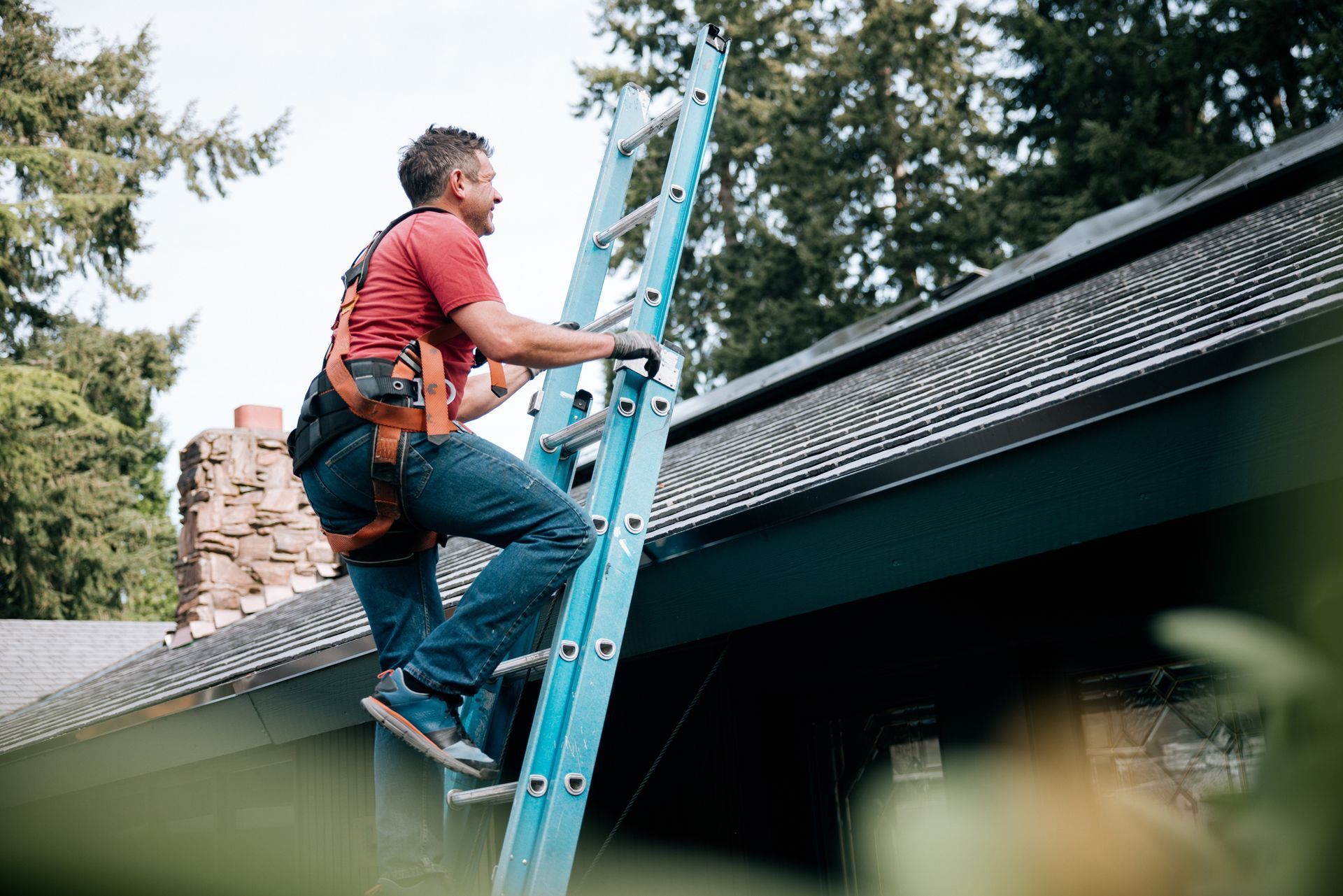
![Worker in safety gear installing shingles on a rooftop.]](https://irp.cdn-website.com/5dc44d98/dms3rep/multi/opt/AdobeStock_659366344+%281%29-1920w.jpeg "Worker in safety gear installing shingles on a rooftop.]")
Choosing the right roofing material matters more than most homeowners realize, especially in the Diablo Valley. Our team operates as your local roofing company in Walnut Creek, CA, and sees firsthand how the region's climate tests every roof. Contact us at (925) 682-3473 for a free estimate.
Why the Diablo Valley Climate Demands a Thoughtful Material Choice
Walnut Creek has hot, dry summers, cool winter nights, and meaningful differences between valley floor neighborhoods and hillside communities near Mount Diablo State Park. That combination of intense UV exposure, seasonal rainfall, and wildfire risk means a material that performs well in a mild coastal city may not hold up here.
Roof surface temperatures in inland Bay Area communities can climb above 150°F during summer heat waves. Budget-grade shingles can soften, lose granules, and degrade faster than their rated lifespan under that kind of heat. As your local roofing company, we understand these pressures before recommending a solution.
Concrete and Clay Tile Roofing
Tile is one of the most popular and well-suited choices for Walnut Creek homes. Concrete and clay tiles resist thermal stress, perform well in sun-heavy climates, and help regulate attic temperatures during long inland summers.
Concrete tile can last 40 to 60 years with proper maintenance; clay tile can last even longer. Both carry Class A fire ratings, which matter for hillside neighborhoods near Shell Ridge Open Space that face real wildfire exposure. If your home has a Spanish, Mediterranean, or classic California aesthetic, tile fits naturally.
One consideration: tile is heavy. We evaluate your home's structural framing before recommending a tile system, because decking and supports need to be adequate. As an experienced roofing company, we make that review standard.
What to Know About Tile Installation Quality
Tile systems involve specialized underlayment, battens, and flashing details. A correctly installed tile roof manages water drainage efficiently and reduces leak risk during the heavy rainfall that atmospheric-river events can bring to Contra Costa County in winter.
Composition Shingles
Architectural shingles offer a layered, textured look with improved wind and impact ratings over basic three-tab options. Reflective formulations can reduce heat absorption, especially when paired with a well-designed attic ventilation system.
Class A fire-rated composition shingles are widely recommended in wildfire-risk areas and may help homeowners in Walnut Creek's eastern neighborhoods reduce insurance premiums. The premium architectural shingles we install can protect your home for 25 to 30 or more years with routine maintenance.
We recommend an attic ventilation assessment alongside any shingle installation. Older ventilation setups trap heat and shorten the life of the material above.
Are Composition Shingles a Good Fit for My Home?
Composition shingles work best on homes with standard roof pitches where upfront cost is a priority. They are lighter than tile, so nearly any existing structure can support them. If you want fire resistance, color flexibility, and manageable maintenance, Class A architectural shingles are worth a serious look.
Metal Roofing
Standing-seam metal roofing has grown in popularity across the East Bay. Modern metal systems made from coated steel or aluminum reflect sunlight well and dissipate heat quickly. Their panels expand and contract without cracking, making them a strong option in a climate with wide temperature swings.
Metal roofing carries excellent wildfire ember resistance, meaningful for Walnut Creek's hillside neighborhoods. Its lifespan can reach 40 to 50 years or more with minimal maintenance.
If your home has solar panels or you plan to add them, a metal roof is worth discussing early. The installation process allows for cleaner solar integration, and the roof's durability means you are less likely to need a disruptive replacement underneath an existing solar system. Talk with us about coordinating that planning from the start.
Fire Resistance Comparison
All three materials discussed here can achieve Class A fire ratings, the highest level available. A quick summary:
- Concrete and clay tile: Naturally non-combustible, Class A rated, excellent ember resistance.
- Class A composition shingles: Fire-rated formulations available, widely used in wildfire-risk areas.
- Standing-seam metal: Non-combustible, strong ember resistance, Class A rated.
California's Title 24 standards require many residential roof replacements to meet specific solar reflectance values. All three material categories offer compliant options, and we can help you navigate those requirements when you contact us for a free estimate.
Which Roofing Material Is Right for Your Walnut Creek Home?
It depends on your home's structure, neighborhood exposure, aesthetic preferences, and long-term goals. Tile suits homes with heavier framing and owners who want to install once and maintain rarely. Composition shingles suit homeowners who want flexibility and a manageable upfront investment. Metal works well where long-term durability and fire resistance are the top priorities.
The best way to find your answer is to let us evaluate your specific roof, framing, ventilation, and neighborhood exposure before you commit to a material.
Ready to Talk About Your Walnut Creek Roof?
Cornell Roofing Co. Inc. has been serving homeowners in the Contra Costa County area for over 70 years, bringing real experience with the materials, conditions, and installation details that matter most in this region.
You can explore our work and hear from past customers on our
Google Business Profile. When you are ready to take the next step, call us at
(925) 682-3473 for a free estimate, or
send us a message to get started. We are proud to serve Walnut Creek, CA, and the surrounding East Bay communities.